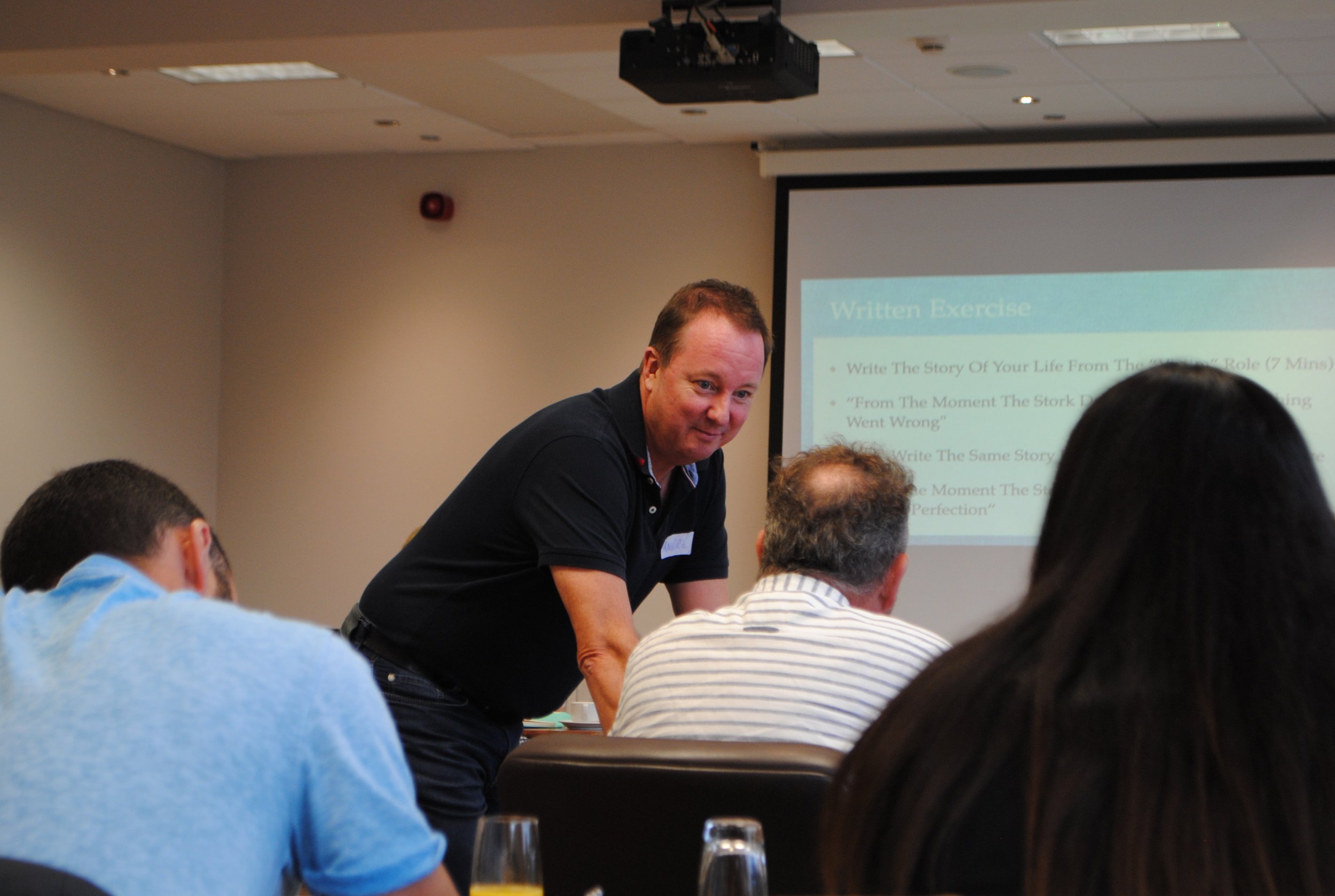
When pressure gets in the way of performance.
Executive coaching for capable professionals and leaders facing difficult situations.
Sometimes the challenge isn't knowing what to do. It's finding yourself overwhelmed, frustrated or reacting in ways that don't help, even when you know better.
I bring together executive coaching, emotional awareness and specialist expertise in nervous system regulation to help you understand what's happening and find a more effective way forward.

Andre Duquemin, Executive & Performance Coach
You're used to handling challenges. But this feels different.
Perhaps you're dealing with someone at work who's undermining you. You know you need to address it, but the frustration is getting harder to contain. You find yourself replaying conversations long after they've finished.
Or perhaps the pressure has been building for some time. Your confidence has taken a knock, your patience is shorter, or you're becoming overwhelmed by situations you'd normally manage without too much difficulty.
You're experienced. You know you're capable.
So why is this proving so difficult?
When your usual strengths aren’t enough.
Even experienced professionals can find that pressure and difficult emotions affect how they think, feel and respond.
At Work
You find yourself getting frustrated or angry more easily
Difficult relationships are affecting your confidence
You're struggling to think clearly when the pressure rises
You know how you'd like to respond, but something gets in the way
Beyond Work
You keep replaying difficult conversations
It's harder to switch off and be fully present
The emotional impact of work follows you home
You're beginning to question how much longer you can carry on like this
Sometimes thinking it through isn't enough.
When we're facing a difficult situation, our instinct is often to analyse it. We consider our options, look for another perspective and try to work out what we should do.
And often, that's exactly what's needed.
But sometimes you can understand a situation perfectly well and still struggle to respond in the way you'd like.
That's because our thinking is only part of what influences how we behave. Our emotions and physical state matter too.
The Survival System
Our body's responses to pressure, challenge and perceived threat. Changes in breathing, muscle tension and alertness can affect how we feel and how readily we can think and respond. Sometimes it helps to begin by paying attention to what's happening physically.
The Feeling System
Our emotions influence how we interpret situations and relate to others. Anger, anxiety, frustration and other feelings can contain useful information, but they can also become difficult to manage. Understanding them can open up different ways of responding.
The Thinking System
This is familiar territory for most coaching. Exploring our assumptions, perspectives, beliefs and the stories we tell ourselves can help us make sense of situations and consider different choices. It's valuable work, but sometimes it isn't the most useful place to begin.
Your thinking, emotions and physical state are constantly influencing one another.
Think about a difficult conversation at work. You know what you want to say, but as the meeting approaches your stomach tightens, your heart races and you begin imagining how badly it could go.
Or someone challenges you unexpectedly and you feel a surge of anger before you've had time to consider what they've actually said.
These responses involve more than thinking alone.
My approach considers how your thinking, emotions and physical state interact, helping us recognise where the most useful place to begin might be.
Sometimes that's a coaching conversation. Sometimes it's exploring an emotional response. And sometimes it helps to work with what's happening physically first.
More capacity. More choice. Better performance.
The aim isn't to eliminate pressure or make sure you always feel calm. Difficult situations are part of professional life, and emotions such as anger and frustration can tell us something important.
What matters is being able to work with those responses, rather than finding yourself driven by them.
That might mean staying composed during a difficult conversation, recognising when frustration is affecting your judgement, or finding the confidence to address a situation you've been avoiding.
By working with your thinking, emotions and physical responses, coaching can help you develop greater flexibility and more effective ways of dealing with the challenges you face.
Our Work Can Help You:
Think more clearly when situations become challenging
Understand and manage difficult emotional responses
Navigate conflict and demanding professional relationships
Respond with greater confidence, flexibility and judgement
A different background. A broader approach.
I'm Andre Duquemin, an executive and performance coach with a background that's a little unusual.
I qualified as an osteopath in 2001 and have spent more than 25 years working with people in clinical practice. I began my coaching training in 2007 and have worked as an executive coach for more than ten years, including with senior professionals in financial services.
Along the way, I've undertaken extensive training in nervous system regulation, somatic approaches and the relationship between our physical and emotional experiences.
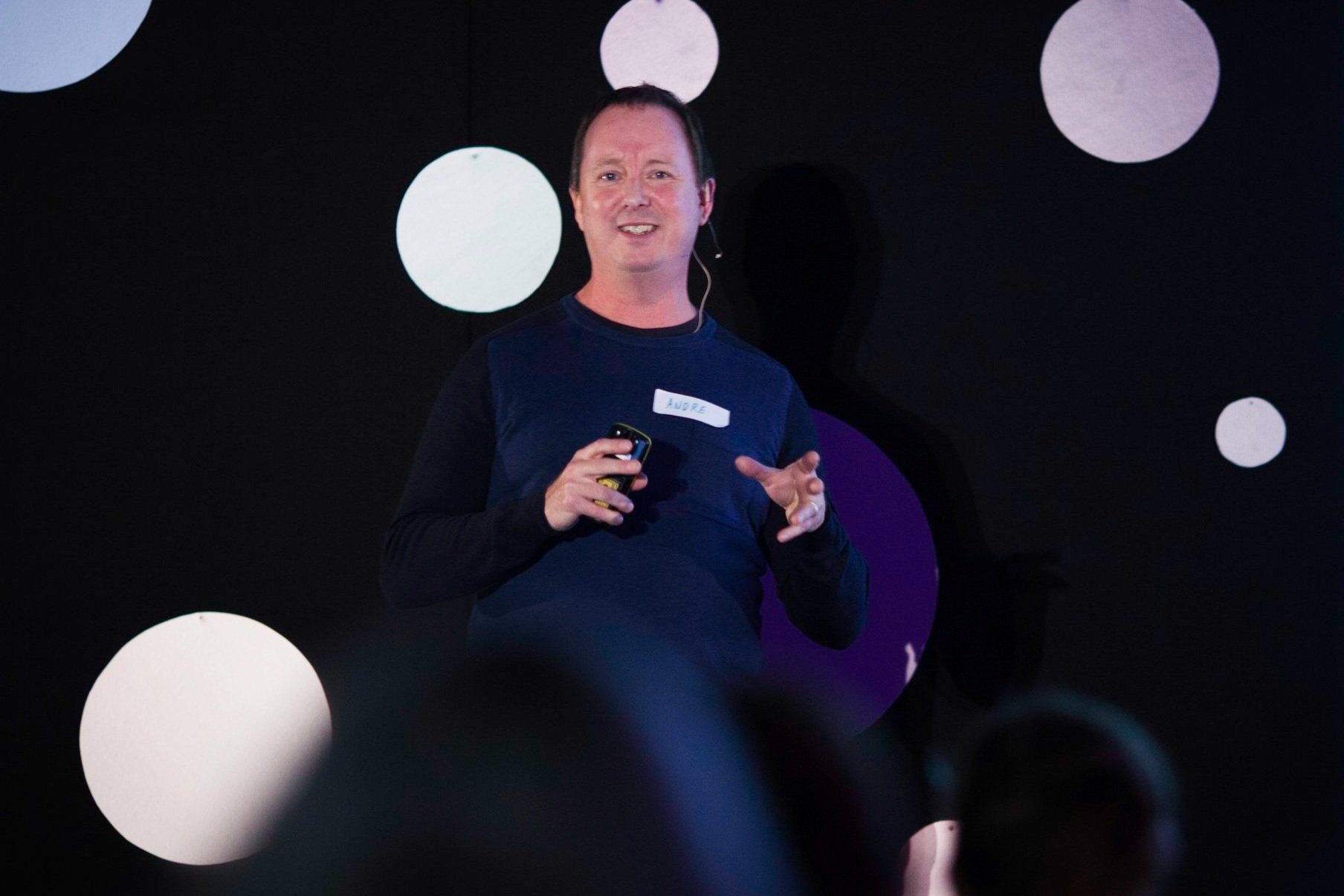
That combination has shaped how I work. I've seen how capable, experienced people can find themselves struggling when pressure or difficult emotions begin to affect how they respond.
My approach allows me to work with more than someone's thinking alone, drawing on clinical experience, somatic approaches and executive coaching to understand what's happening and explore what might help.
Not every challenge needs a body-based intervention. Sometimes a different perspective or a good coaching question is exactly what's needed.
The skill lies in recognising what will be most useful for the person and situation in front of me.
Let's have a conversation.
If you're dealing with a professional challenge that's affecting your confidence, emotional wellbeing or performance, we can explore what's happening and whether coaching might help.